


Installing EV Chargers in Cyprus: Step-by-Step Guide
Switching to an electric vehicle is a smart choice for the environment and your wallet. But to enjoy the full benefits, you need a reliable EV charger at home or work. Installing an EV charger in Cyprus is easier than you might think. I will walk you through the process step-by-step, so you can get your charger up and running smoothly.
Understanding the Basics of Installing EV Chargers
Before you start, it helps to know what an EV charger is and what types are available. There are mainly two types of chargers for home use: Level 1 and Level 2. Level 1 chargers use a standard household outlet and are slower. Level 2 chargers require a dedicated circuit and charge your vehicle much faster.
When installing an EV charger, you need to consider your electrical system’s capacity. Older homes might need an upgrade to handle the extra load. It is also important to choose a charger that fits your vehicle’s charging capabilities.
I recommend consulting a licensed electrician who understands EV charger installations. They can assess your home’s electrical system and advise on the best charger type and placement.

Step-by-Step Guide to Installing EV Chargers
Here is a clear, practical guide to installing your EV charger in Cyprus:
Assess Your Needs
Think about how often you drive and how quickly you want to charge your vehicle. This will help you decide between Level 1 and Level 2 chargers.
Check Your Electrical Panel
Have an electrician inspect your electrical panel to ensure it can support the charger. If needed, upgrade your panel or add a new circuit.
Choose the Right Charger
Select a charger compatible with your EV and your home’s electrical system. Look for features like smart charging, weather resistance, and warranty.
Get Necessary Permits
In Cyprus, some installations may require permits. Your electrician can help you with this process to ensure compliance with local regulations.
Install the Charger
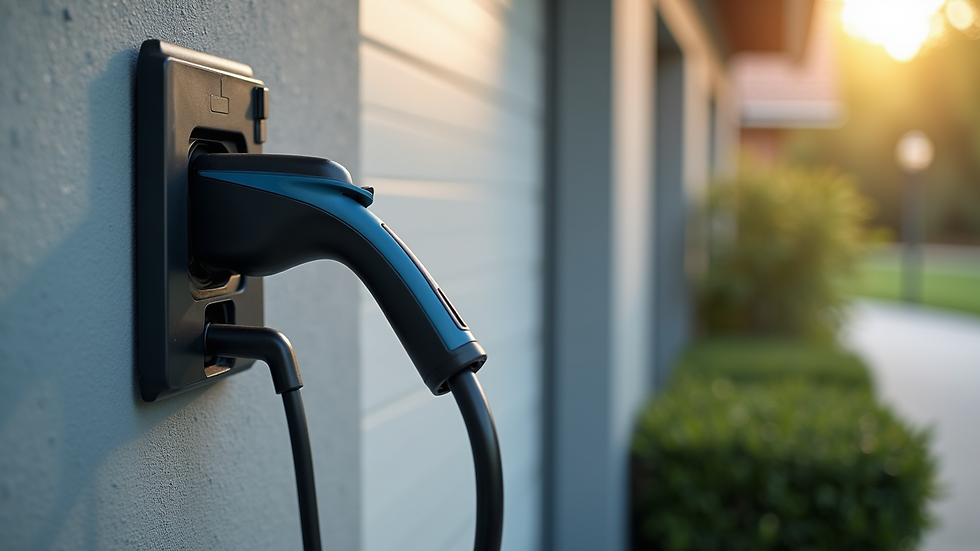
The electrician will mount the charger, connect it to your electrical system, and test it to make sure it works properly.
Register Your Charger
Some utility companies offer incentives or rebates for EV charger installations. Register your charger to take advantage of these benefits.
Following these steps will make the installation process smooth and hassle-free.
How much does EV charging cost?
Charging your electric vehicle at home is generally cheaper than using public stations or filling up with petrol. The cost depends on your electricity rates and how much you drive.
In Cyprus, the average electricity price is competitive, making home charging affordable. For example, if your EV battery capacity is 40 kWh and electricity costs €0.15 per kWh, a full charge costs about €6. This is much less than a full tank of petrol.
Installing a Level 2 charger might cost between €500 and €1,200, including equipment and labor. While this is an upfront investment, it pays off over time with lower fuel costs and convenience.
Some local programs and utility companies offer rebates or discounts on installation costs. Check with your provider to see if you qualify.

Tips for Choosing the Best Location for Your EV Charger
Where you install your charger matters. Here are some tips to pick the best spot:
Close to Your Parking Space
The charger should be near where you park your EV to avoid long cables.
Protected from Weather
Choose a location sheltered from rain and direct sunlight to extend the charger’s life.
Easy Access to Electrical Panel
The closer the charger is to your electrical panel, the easier and cheaper the installation.
Consider Future Needs
If you plan to buy more EVs or share the charger, think about installing a charger with multiple ports or higher capacity.
Safety First
Avoid locations where the charger or cables could be a tripping hazard.
Planning the location carefully saves time and money during installation.
Maintenance and Safety Tips for Your EV Charger
Once your charger is installed, keeping it in good condition is important. Here are some simple maintenance and safety tips:
Regular Inspection
Check the charger and cables for damage or wear every few months.
Keep It Clean
Wipe the charger with a dry cloth to remove dust and dirt. Avoid using water or harsh chemicals.
Avoid Overloading
Do not plug other high-power devices into the same circuit as your charger.
Use Proper Cables
Always use the cables provided or recommended by the charger manufacturer.
Know Emergency Procedures
Learn how to disconnect the charger quickly in case of an emergency.
Following these tips ensures your charger works safely and efficiently for years.
Making the Switch to Electric Easier in Cyprus
Installing an EV charger is a key step in embracing electric mobility. With the right information and professional help, you can enjoy the convenience of charging your vehicle at home.
If you want to explore options and get expert advice, check out ev chargers cyprus. They offer a range of charging solutions tailored to Cyprus residents. Their team can guide you through the entire process, from choosing the right charger to installation and maintenance.
Switching to electric is not just about the car. It’s about creating a charging setup that fits your lifestyle and supports a cleaner future. Take the first step today and make your EV charging experience simple and reliable.


Comments